 Swimming Lesson in KL, Malaysia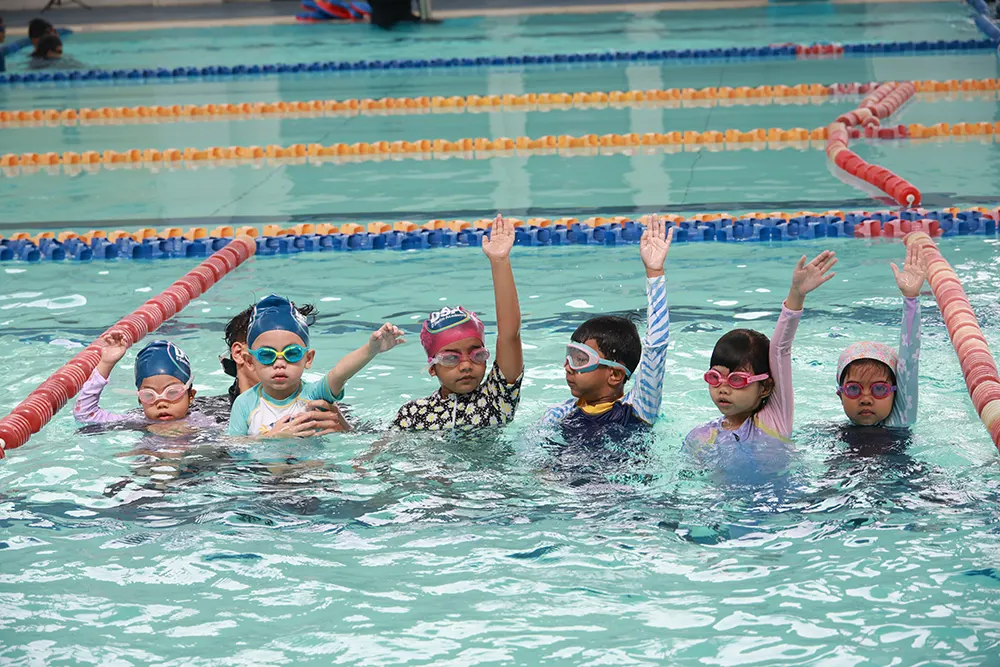
Enrolling your child for swim learning is more than just signing up for “fun water time.” You’re investing in a skill set — one that builds confidence, safety and long-term competence. DSA emphasises this by offering a structured pathway: for children aged 5+ their Learn to Swim program is divided into four colour-coded levels (Red, Pink, Yellow, Blue) each with two sub-levels. Understanding this helps you avoid common missteps.
Here are six mistakes many parents make — and how you can steer clear of them.
Mistake 1: Focusing on “how fast” instead of “how well”
Many parents expect quick visible results: “It’s been five lessons—why is my child still just splashing?” But DSA stresses that progression is readiness-based rather than just age or number of classes. The emphasis is on mastering each sub-level (within Red → Pink → Yellow → Blue) before moving up.
How to avoid it: Ask the instructor about which sub-level your child is in (e.g., Pink level, sub-level 1), what skills they are working on, and what needs to be completed before moving to the next stage. Recognise that quality progression matters more than speed.
Mistake 2: Treating every swim class like a casual activity
Swimming can be fun, but if you consider it purely recreational you may miss the importance of structure. DSA is a “structured learning and development pattern based on the child’s ability to learn.”
How to avoid it: View each session as part of a curriculum rather than “just fun”. Check that lessons build on each other, and ask about the pathway your child is following.
Mistake 3: Ignoring the starting point and placing your child in the wrong level
Jumping ahead or enrolling in a class that’s too advanced (or too easy) creates frustration or boredom. Because DSA’s pathway uses sub-levels, starting at the right level matters.
How to avoid it: Ensure you get an assessment of your child’s water-confidence, kicking, floating, body position, and comfort before placement. The right starting point sets the tone.
Mistake 4: Over-comparing your child with “others”
It’s tempting to look at a peer and think: “Why is my child still in Red when theirs is in Pink?” But DSA emphasises children learn at different paces and that each level is about mastery.
How to avoid it: Focus on your child’s personal progress. Use the level and sub-level system as your benchmark rather than comparing across children.
Mistake 5: Underestimating the role of parent involvement and consistency
Even the best swim school needs regular attendance and reinforcement. If you treat class attendance as optional, progress will slow. DSA’s pathway is designed to build momentum by consistent attendance.
How to avoid it: Schedule classes as you would other critical activities. Encourage your child to attend regularly, and track their colour-level progression. Ask the instructor what home reinforcement is helpful (eg. kicking practice, body position exercises).
Mistake 6: Not checking for instructor qualification and program standards
A structured program only works if the instructors are qualified and follow the pathway conscientiously. DSA is noted as the largest AUSTSWIM-recognised swim centre in Malaysia.
How to avoid it: Confirm the swim school’s credentials (certified instructor, formal curriculum, level-map). Ask how often assessments are conducted and how children move through the pathway.
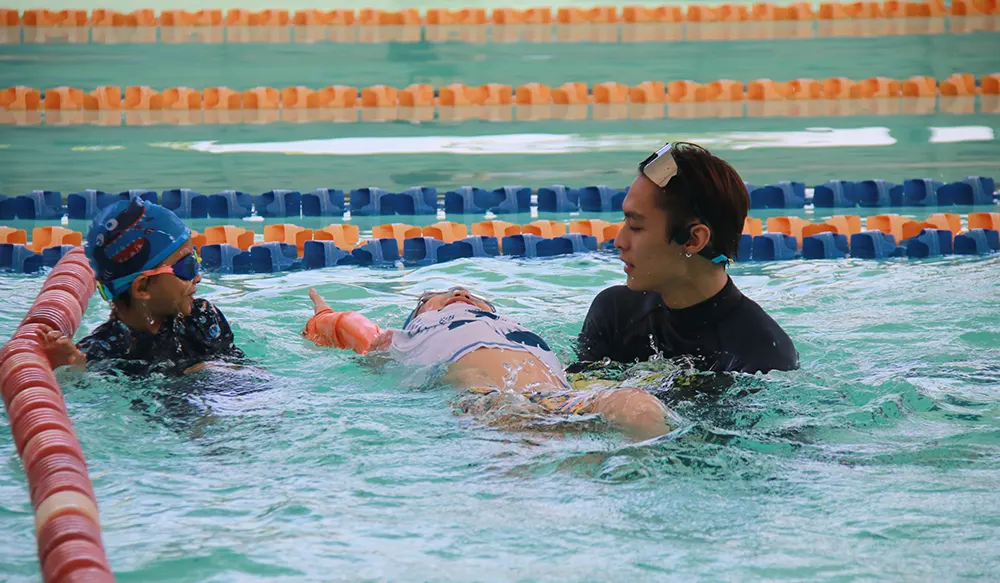
Why seeing these mistakes early matters
As professionals with high standards in education and extracurriculars, you know the risk of “just showing up” versus “structured growth”. Without the right approach, your child might attend lessons without real progress, you might pay for quantity rather than quality, and you might feel uncertain about outcomes. But with a school like DSA — which offers clarity (colour-levels), readiness-based progression, certified instruction and a pathway beyond beginner — you’re investing in results, not just activity.
Key questions to ask your swim school
- What colour-level and sub-level is my child currently in?
- What specific skills need to be mastered before moving to the next level?
- How often are assessments done?
- What is the instructor certification and how does your curriculum align with national standards?
- How many lessons do you recommend weekly for consistent progression?
- What is the next pathway once my child completes the “Blue” level?
Final thoughts
Avoiding these six mistakes helps ensure your child’s swim learning journey is purposeful, measured and aligned with the kind of structured education you expect. With DSA’s well-defined pathway from Red → Pink → Yellow → Blue, starting with the right level, regular attendance, instructor-led progression and your active involvement, you’re setting your child up not just to “swim”, but to swim well, safely and confidently.
This isn’t just about lessons — it’s about building a life-skill. And as a parent who values high-quality education and tangible outcomes, you’re doing exactly the right thing by choosing a program with structure, clarity and real growth.
NB: Children should always be accompanied by their parents or appointed guardians when in or around the pool or any water bodies. DSA provides Learn to Swim Programs for Children for all ages. Classes are available at multiple locations across Kuala Lumpur, Selangor and Shah Alam areas in the Klang Valley, Bandar Dato’ Onn, Johor and Seberang Jaya, Penang.