 Swimming Lesson in KL, Malaysia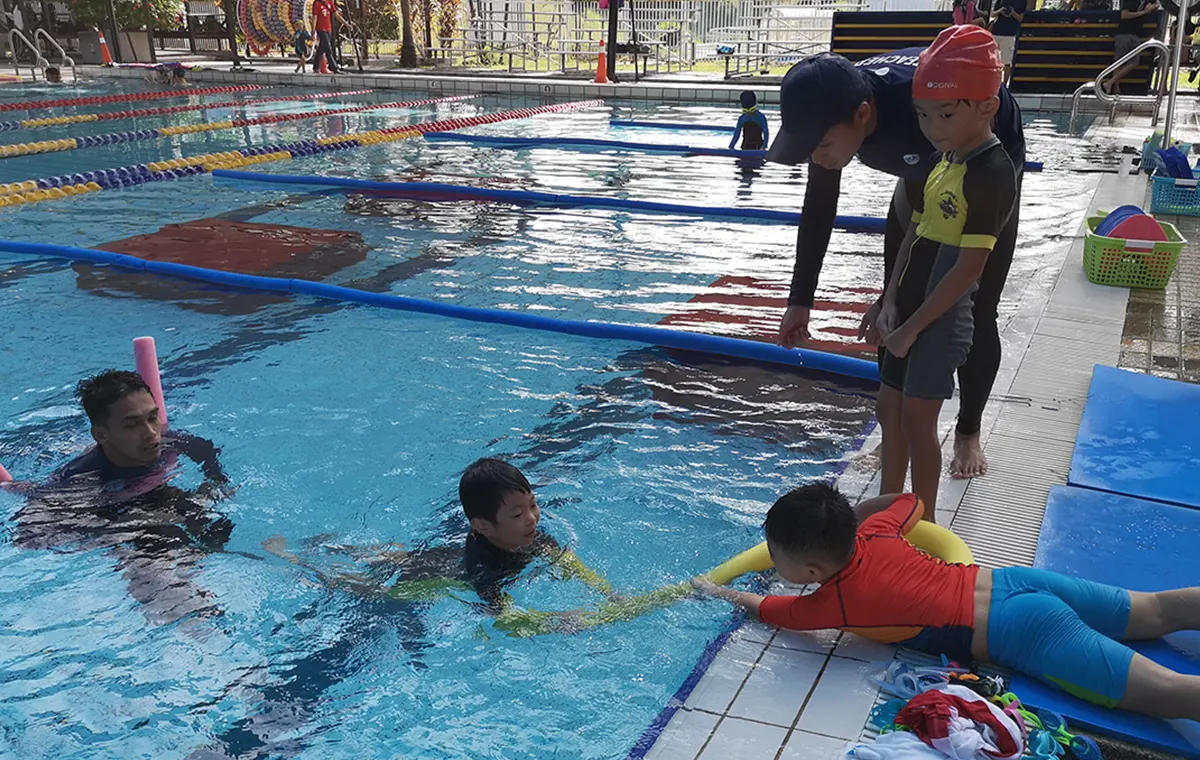
A guide for parents about children and water safety
For many parents, hearing the words “My child can swim” brings a sense of reassurance. It feels like a milestone has been achieved — a box ticked in your child’s development. But here’s an important question: Does “can swim” actually mean your child is “water safe”?
At D Swim Academy (DSA) in Kuala Lumpur, this distinction is fundamental. Because in reality, being able to swim and being water safe are not the same — and understanding the difference could be life-saving.
What does “can swim” really mean?
When parents say their child “can swim,” they are usually referring to visible, basic abilities:
- Swimming a short distance in a pool
- Floating or kicking with some control
- Being comfortable putting their face in the water
These are important early milestones. They reflect progress in a structured learn-to-swim programme — something DSA emphasises through its colour-coded pathway (Red to Blue levels).
However, these abilities alone do not equate to safety. As experts point out, swimming lessons help children move through water, but that doesn’t automatically prepare them for unexpected situations.
In simple terms: “Can swim” often means basic movement in controlled conditions.
What does “water safe” actually mean?
Water safety goes far beyond swimming technique. It includes a combination of skills, awareness, and behaviour that help a child stay safe in and around water.
A water-safe child is able to:
- Stay calm and recover if they fall into water
- Float or tread water to conserve energy
- Understand risks (depth, currents, slippery surfaces)
- Know how to reach safety or call for help
- Follow safety rules consistently
Crucially, water safety also includes judgement — knowing when not to enter the water at all.
According to global swim safety research, even strong swimmers are not “drown-proof,” and safety always depends on multiple layers including supervision and awareness.
In simple terms: “Water safe” means prepared for real-world situations — not just pool conditions.
The dangerous gap between “can swim” and “water safe”
This gap between swimming ability and true water safety is where many parents unknowingly take risks. A child who can swim 25 metres in a calm pool may:
- Panic in deeper water
- Struggle if tired or disoriented
- Be unprepared for waves, currents, or sudden entry into water
- Overestimate their own ability
In fact, experts emphasise that “just because a child can swim doesn’t mean they can’t drown.”
This is particularly relevant in Malaysia, where children are frequently exposed to water — from condominium pools to beaches and resort environments. The risks are not hypothetical; they are part of everyday life.
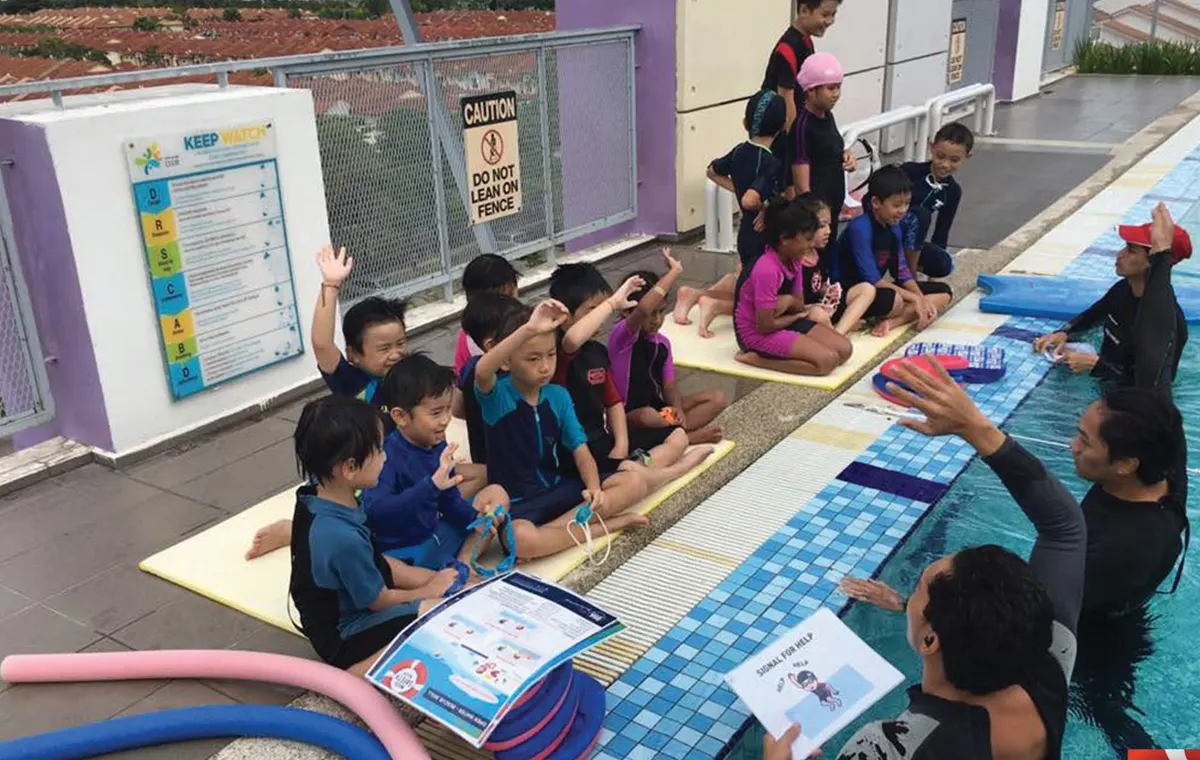
Kids swim lessons focused on water safety at DSA
Why structured swim education matters
At D Swim Academy, the Learn to Swim program is designed not just to teach strokes, but to build complete aquatic competence over time.
The structured pathway (Red → Pink → Yellow → Blue) ensures that children develop:
- Confidence in the water
- Proper body positioning and breathing
- Endurance and stroke efficiency
- Awareness and control in different situations
This progression is critical because water safety is built step by step — not rushed.
Health experts also highlight the importance of a structured curriculum, where children are assessed and advanced based on ability, not just attendance.
For parents, this means choosing a program that goes beyond “keeping kids busy” and instead delivers measurable, meaningful progress.
Water safety is a combination of skills and behaviour
A key difference is that water safety is not purely physical — it is behavioural. At DSA, children are guided to
- Respect water as an environment
- Follow safety instructions consistently
- Build confidence without overconfidence
- Develop independence while understanding limits
This balance is essential. A child who is fearless but unskilled can be at greater risk than one who is cautious and still learning. Swimming lessons also reinforce discipline, listening skills, and awareness — all of which contribute to safer behaviour in and around water.
What parents should expect
As a parent investing in quality swim education, it’s important to align expectations with reality. In the early stages your child may not “swim” independently yet — but they are learning foundational safety skills such as floating, breath control, and comfort in water. As they reach an intermediate level you will start to see coordination, breathing techniques, and longer distances covered alongside growing confidence. When your child begins to become competent you can notice that they develops endurance, multiple strokes, and stronger self-reliance in the water. They will also be competent to start the basics of competitive swimming. But throughout all stages, one principle remains constant:
Progress is not just about swimming; it’s about becoming safer in the water
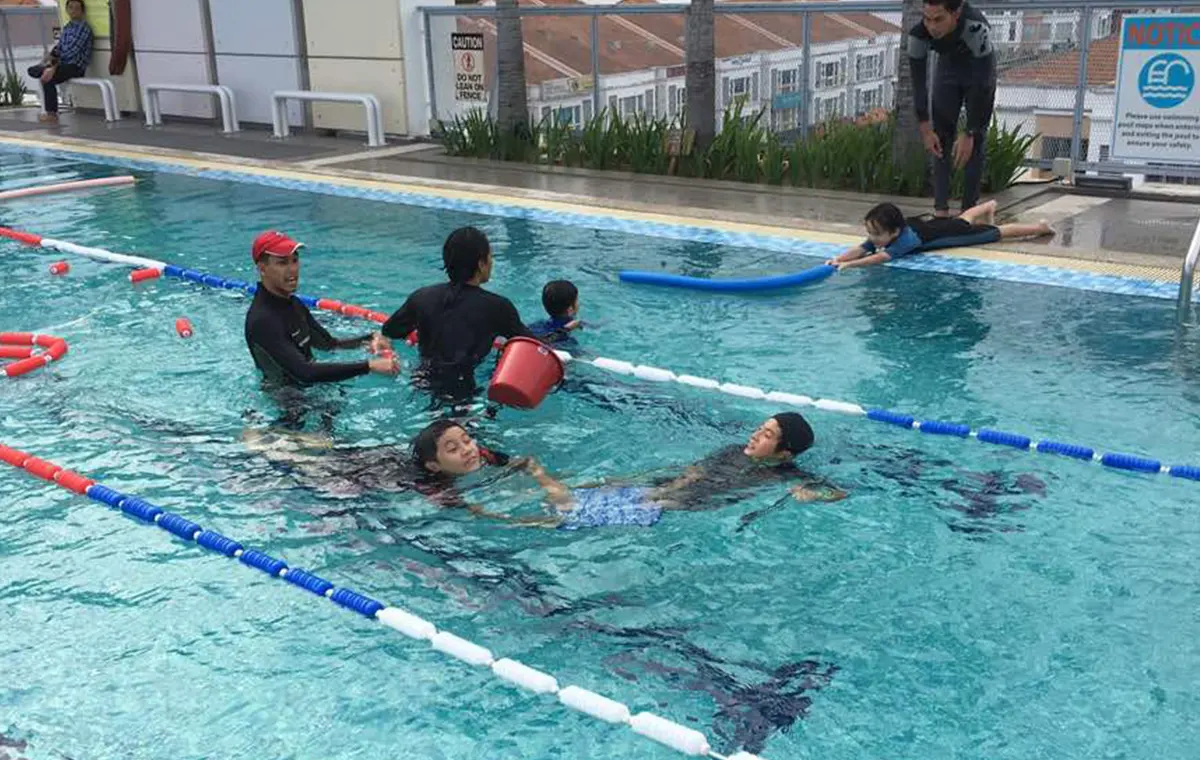
Structured swim education helps children become safer
The Role of Parents: A critical layer of safety
Even with the best swim education, no child is ever completely “safe” in water without supervision. Experts consistently emphasise that swimming skills are only one layer of protection — alongside adult supervision, safe environments, and awareness.
For parents, this means:
- Always supervising children near water
- Reinforcing safety rules consistently
- Avoiding a false sense of security
- Continuing lessons even after basic swimming is achieved
Water safety is not a one-time milestone — it is an ongoing process.
At D Swim Academy Sdn Bhd, the goal is not simply to produce children who “can swim.”
The goal is to develop children who are confident, capable, and safer in the water — through a structured, progressive, and professionally guided programme. Because the truth is simple, a child who can swim has learned a skill is a child who is water safe has developed awareness, control, and confidence.
And as a parent, understanding that difference is one of the most important steps you can take in protecting your child. If you’re evaluating swim programmes, ask yourself: Is my child just learning to swim — or learning to be safe in the water?
That distinction makes all the difference.
NB: Children should always be accompanied by their parents or appointed guardians when in or around the pool or any water bodies. DSA provides Learn to Swim Programs for Children for all ages. Classes are available at multiple locations across Kuala Lumpur, Selangor and Shah Alam areas in the Klang Valley, Bandar Dato’ Onn, Johor and Seberang Jaya, Penang.